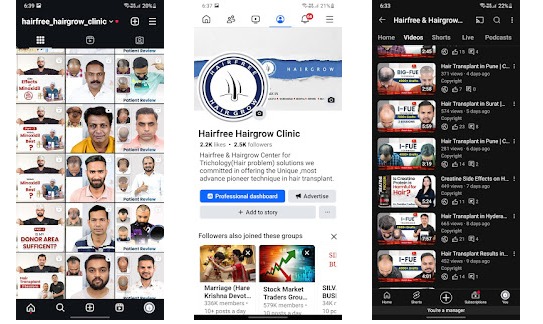
Project Overview
[cite_start]Social media was used as a demand and intent generation layer, not as an isolated branding activity. The focus was on driving qualified traffic into structured landing pages that connected directly with lead tracking and CRM workflows.
This approach ensured that social media efforts translated into measurable business outcomes rather than vanity metrics.
Role of Social Media in the System
Within the broader lead generation pipeline, social media served three key purposes:
- Attracting high-intent audiences via paid campaigns
- Educating and warming users before conversion
- Redirecting traffic into fast, conversion-focused landing pages
Social media performance was always evaluated based on downstream lead quality, not engagement alone.
Execution Approach
- Ran Meta ad campaigns aligned with specific services and locations
- Coordinated creatives and copy to match landing page intent
- Avoided sending traffic to generic home pages
- Ensured tracking continuity via UTM parameters and GTM
Outcomes
- Improved lead relevance from social channels
- Better alignment between ad messaging and landing page experience
- Reduced wastage caused by low-intent traffic
- Clear visibility into social media’s contribution to overall lead flow
Boundaries & Clarity
- Social media content execution was handled as part of a larger system
- Lead follow-ups and appointments were handled by human executives
- The primary responsibility was traffic quality and system alignment
Tools & Platforms
Meta Ads Manager · Instagram · Facebook · Google Tag Manager · Analytics